Cheers to 10 Years of Street Paws. From standing in a soup kitchen to Parliament!
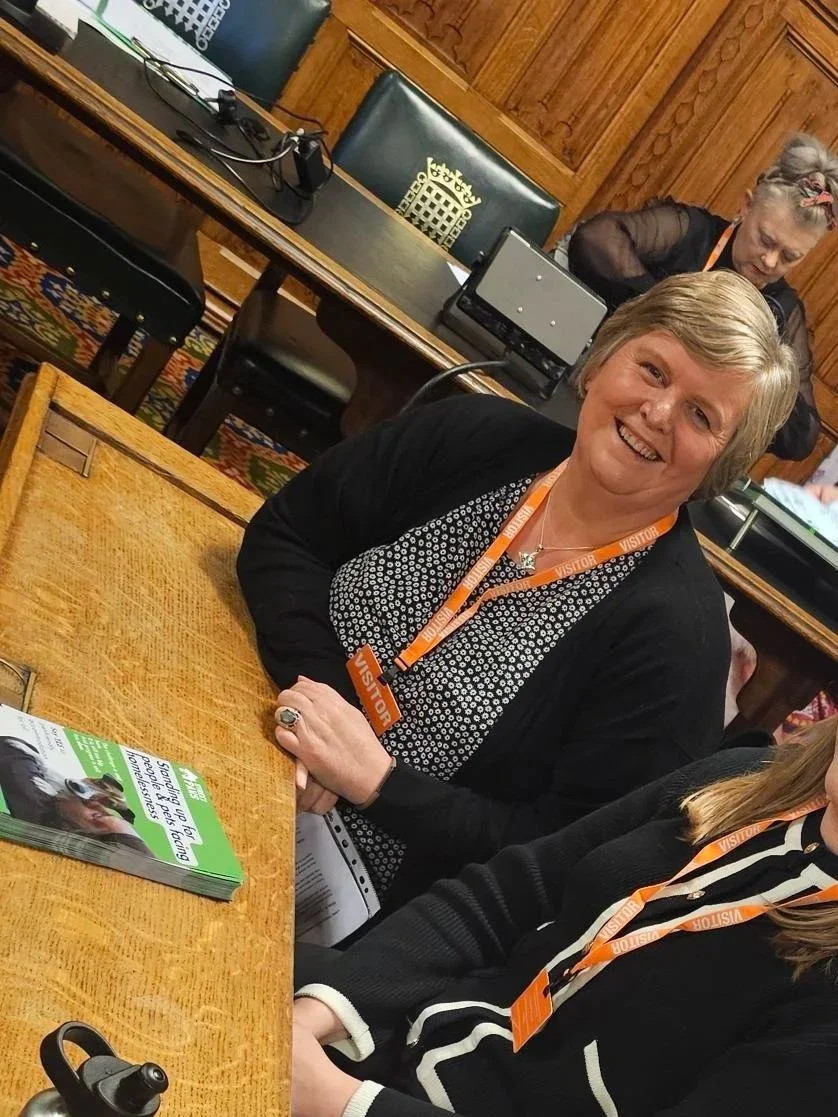
A decade of standing up for people and pets.
Ten years ago, Michelle Southern stood in Newcastle with a simple idea that came from a moment she couldn’t ignore. While volunteering at a soup kitchen, she met someone experiencing homelessness who had a dog by their side. Support existed for the person, in some form, but there was nothing for the animal who meant everything to them. It raised a question that would go on to shape the next decade: why are people being asked to choose between a safe place to stay and the companion who has stood by them through everything?
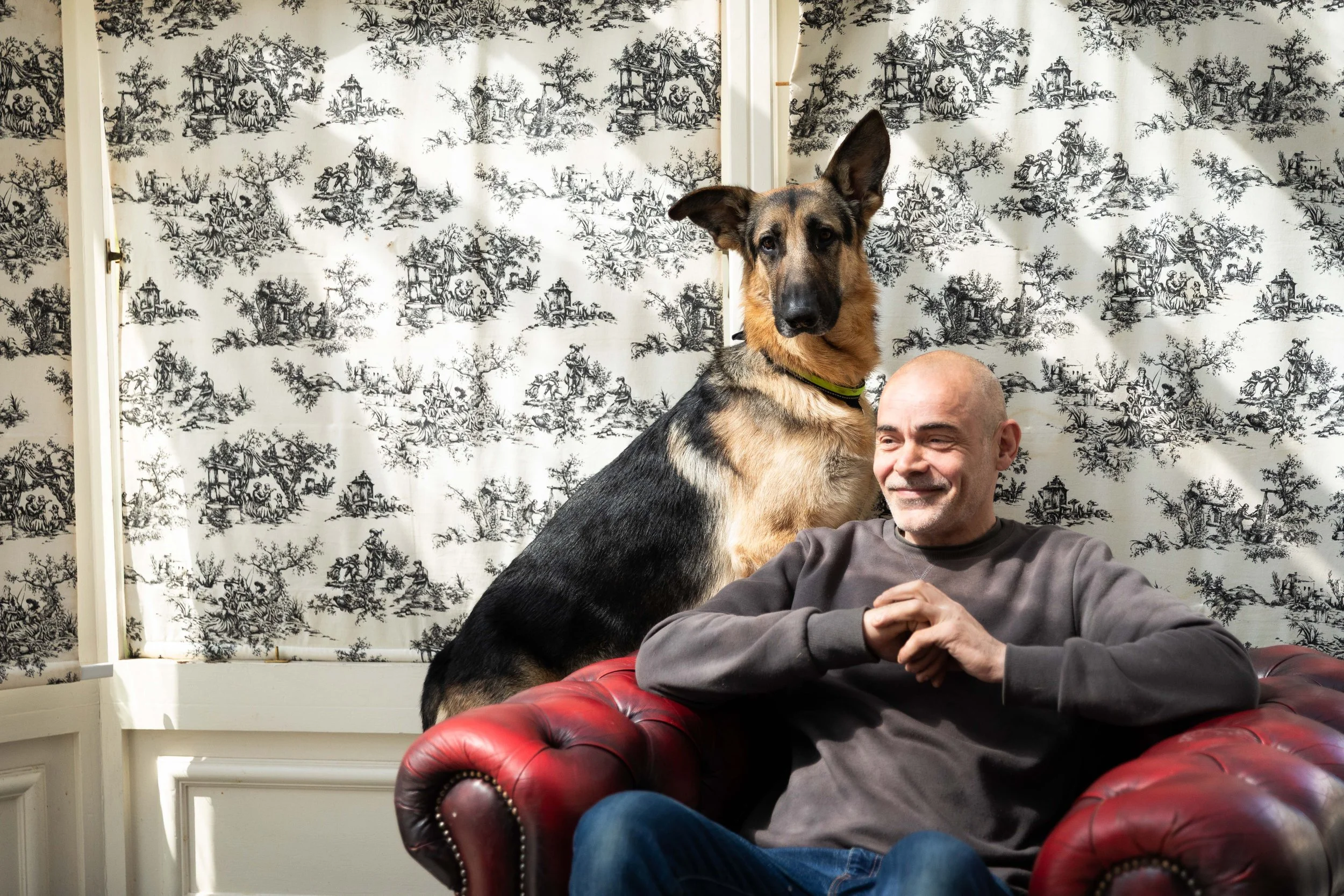
Justin and Rebel at one of our Pet Champion Hostels
That question didn’t turn into a strategy document or a formal launch. It turned into action. The following week, Michelle returned with veterinary colleagues carrying basic supplies: vaccinations, flea and worming treatment, and began offering support directly at outreach. It was simple, practical, and rooted in compassion, but it filled a gap that had been overlooked for far too long. That was the beginning of Street Paws.
In those early years, growth wasn’t driven by publicity or funding. It came from trust. As word spread, more vets wanted to get involved, and Street Paws expanded beyond Newcastle into York, Leeds and Manchester. Along the way, something important became clear. Supporting people and pets wasn’t just about providing clinical care. It was about showing up consistently, building relationships, and understanding the wider barriers that pet owners faced when trying to access accommodation, healthcare, and safety. For many people, their pet wasn’t just a companion, it was stability, protection, and often the only constant in an otherwise uncertain life.
By 2018, Street Paws had reached a point where formal structure was needed to support its growth, and it became a registered charity. But the heart of the work didn’t change. It remained grounded in meeting people where they were, without judgement, and recognising the bond between people and their pets as something that should be protected, not penalised.
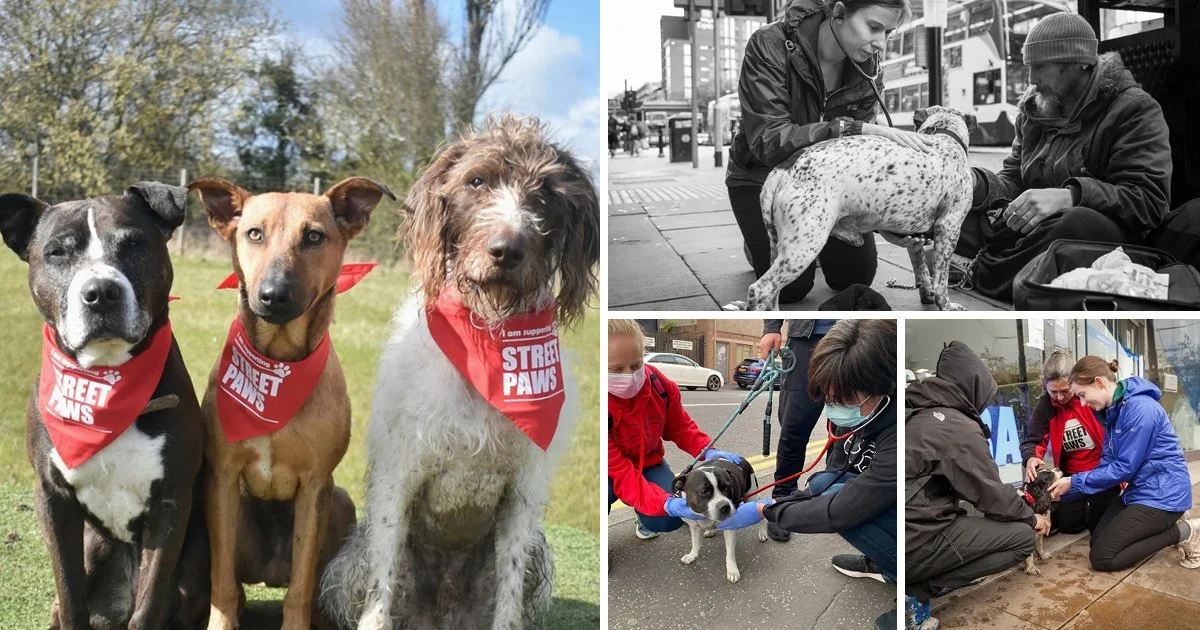
Over the next year, that work expanded rapidly. By 2019, Street Paws had grown into a multi-region service supported by hundreds of volunteers, reaching people and their pets across the North East, North West, Yorkshire, Wales and Northern Ireland. Behind the numbers were real moments that spoke to the impact of the work: people able to access hospital care because someone ensured their dog would be safe; nights off the streets made possible because emergency kennel space was found; individuals escaping domestic abuse without having to leave their pet behind. It became increasingly clear that this wasn’t simply about providing support. It was about responding to a systemic issue that was forcing people into impossible situations.
In 2020, Michelle’s work was recognised with a British Citizen Award, reflecting not only the growth of Street Paws but the importance of the issue itself. By this point, the charity was already operating outreach in multiple locations and beginning to be recognised not just for what it did on the ground, but for the wider conversation it was starting to influence around pet-inclusive accommodation.
When the pandemic hit, the challenges intensified. Outreach paused in line with restrictions, but the need did not. Street Paws adapted quickly, delivering food and medication, working alongside local authorities, finding emergency solutions where pets were a barrier to accommodation, and ensuring urgent veterinary cases still received care. It was a period that tested the resilience of both the charity and the people it supported, but it also reinforced something fundamental: that in times of crisis, the bond between people and their pets becomes even more important, not less.
By 2021, five years on from its beginnings, Street Paws had already supported hundreds of animals and their owners and helped multiple shelters become pet-friendly. This was also the year that marked a shift in approach. Rather than working around barriers, the charity began actively working to remove them. The Dog Champion Scheme, now known as the Pet Champion Scheme, was developed to support hostels and temporary accommodation providers in becoming pet-inclusive. Through training, guidance and practical support, Street Paws started helping services say yes where they might previously have said no.
In the years that followed, Street Paws continued to grow not only in reach but in influence. By 2022, its frontline experience was being used to inform research and partnerships, helping to build an evidence base around the barriers faced by homeless pet owners and the benefits of keeping people and pets together. This work highlighted what Street Paws had long understood: that exclusion from accommodation due to pet ownership wasn’t just unfair, it was counterproductive.
As the organisation moved into 2023 and beyond, the scale of the issue became even clearer. Requests for support increased significantly, with more people finding themselves unable to access accommodation because of their pet. At the same time, the Pet Champion Scheme expanded, staff numbers grew, and partnerships strengthened, allowing Street Paws to support more services and reach more people than ever before.
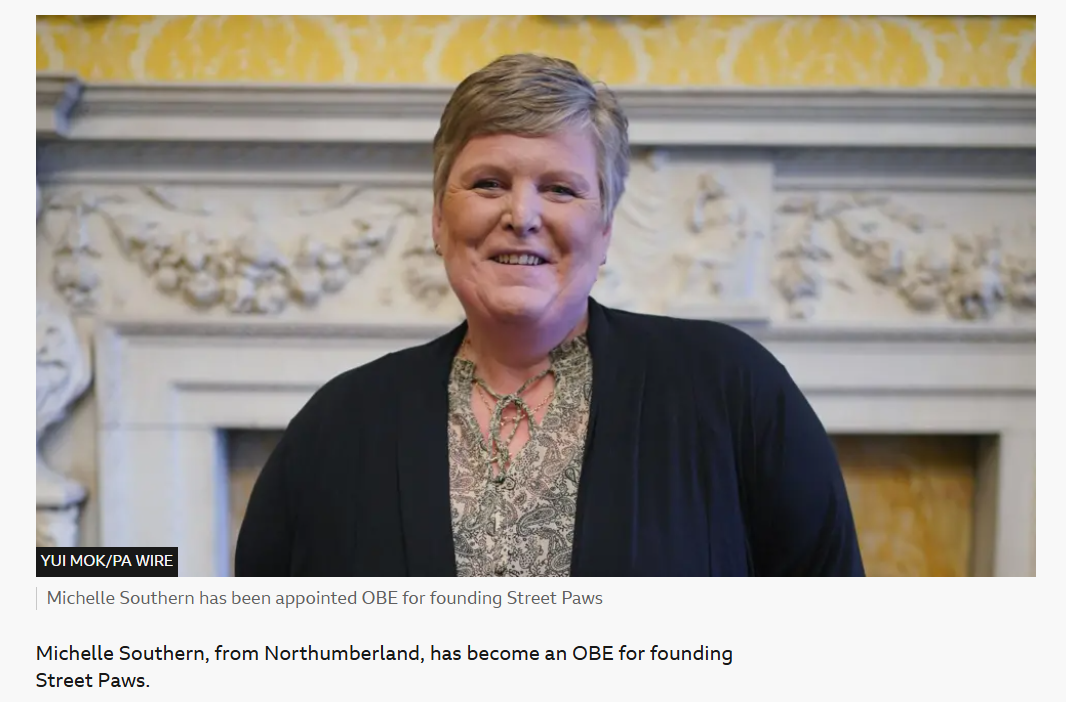
In 2024, Michelle was awarded an OBE in the New Year Honours for services to homeless people and their pets. It was a significant moment, recognising years of dedication and the impact of the charity’s work. But alongside that recognition came a renewed focus on what still needed to change. Street Paws continued to expand its team, develop new resources for pet owners, and strengthen partnerships, including working more closely with organisations supporting rough sleepers to ensure people with pets could be better connected to help.
By 2025, Street Paws had firmly positioned itself as both a service provider and a voice for change. Through involvement in research and collaboration with organisations, the charity was contributing to national conversations about how homelessness support systems could become more inclusive. The evidence was clear: keeping people and their pets together leads to better outcomes, improved wellbeing, and more sustainable pathways out of homelessness.
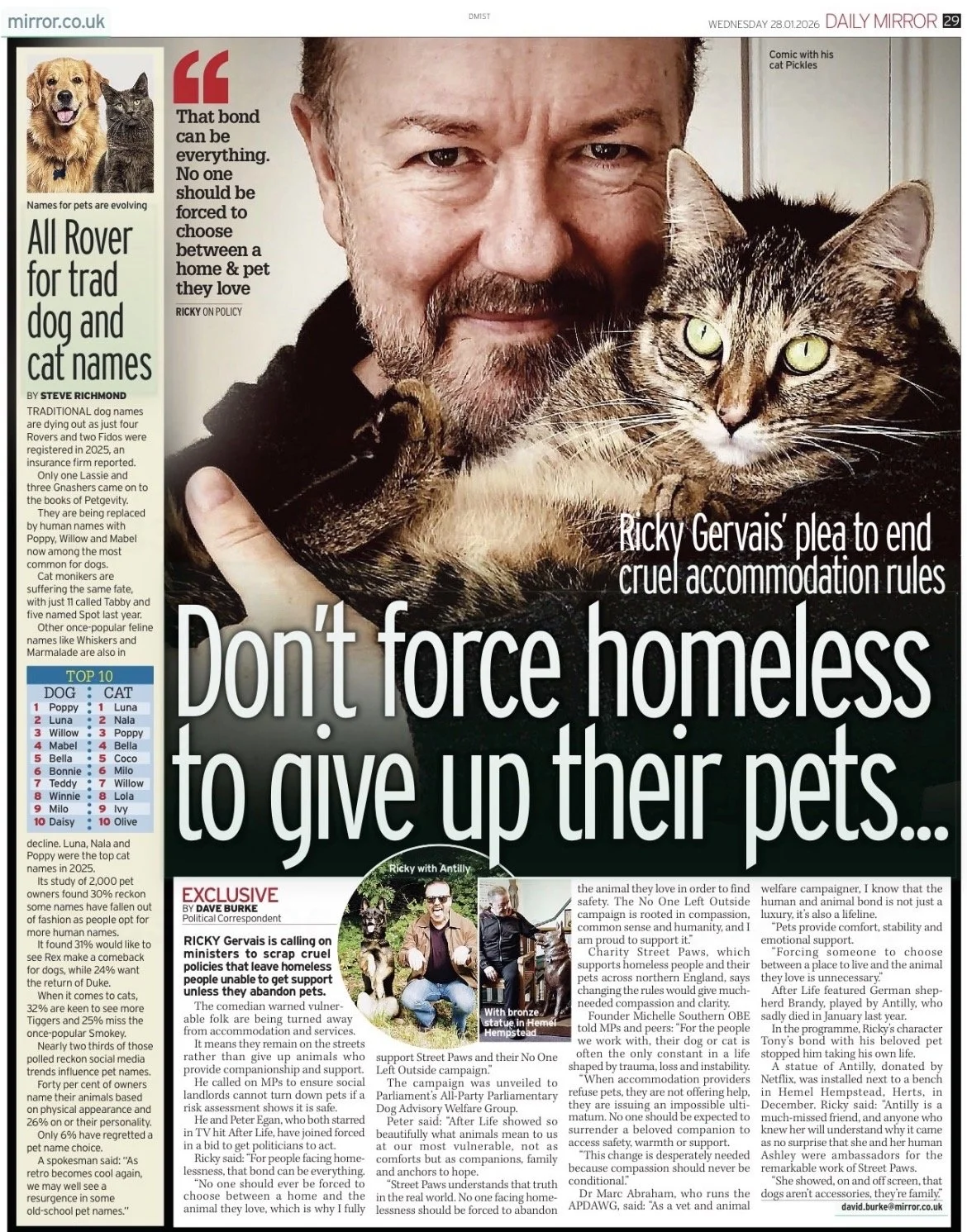
Now, in 2026, as Street Paws has reached its tenth year, that decade of experience has culminated in a clear and focused campaign for change. No One Left Outside represents everything the charity has learned, a call for a system where people are not unreasonably refused housing because they have a pet, and where compassion is reflected in policy as well as practice. The campaign has gained growing public support, including backing from figures such as Ricky Gervais and Peter Egan, but the driving force behind it remains the same as it was ten years ago: the people and pets at the heart of the issue.
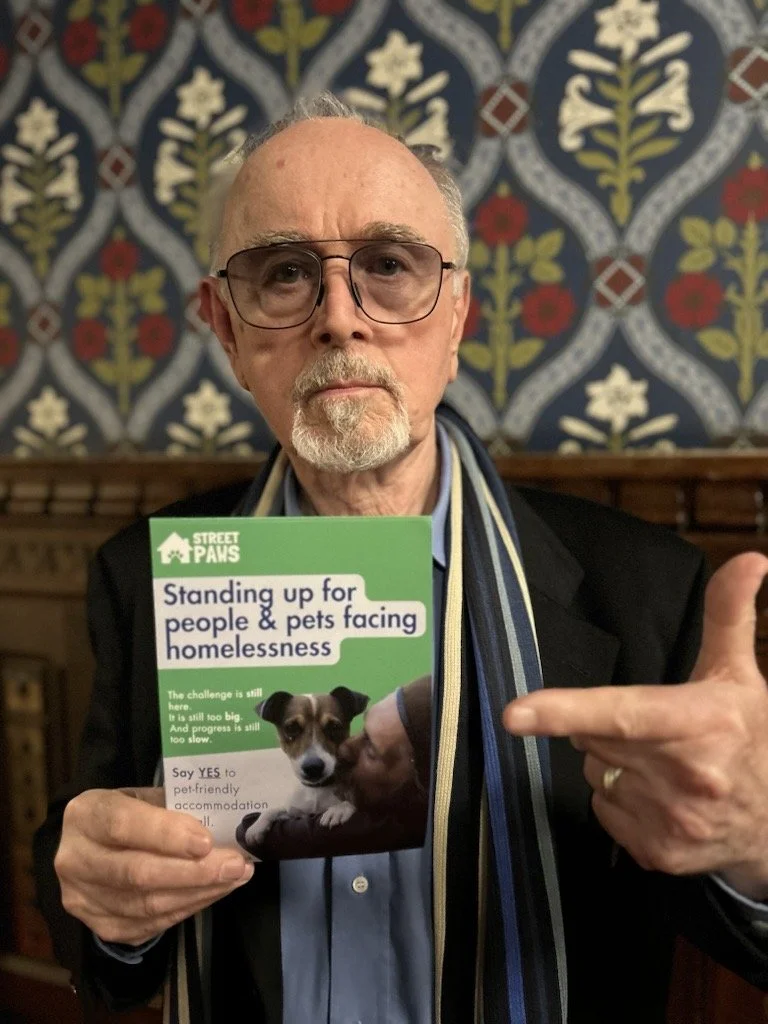
As Michelle reflects on the journey, the scale of what has been built is clear, even to her. What began as a single act of care has grown into a national movement, supporting hostels and temporary accommodation providers, influencing policy discussions, and changing perceptions about pet ownership and homelessness. Yet the core belief has never shifted. No one should be forced to give up their pet to access safety.
Ten years on, Street Paws is not just responding to crisis, it is helping reshape what compassionate, inclusive support should look like. From a single outreach in Newcastle to influencing conversations at Parliament and beyond, the charity has spent a decade demonstrating that pets are not a barrier to recovery, but often a vital part of it.
And while this milestone is a moment to reflect, it is also a reminder that the work is not finished. Street Paws will continue to show up, to challenge, and to push for change until the idea it was founded on becomes reality - a future where homelessness never separates people and their pets.
Together, always.