
More Than a Petition: Why Keeping People and Pets Together Matters
What Actually Happens When Someone Is Told ‘No Pets Allowed’?
When someone experiencing homelessness is offered accommodation, it can look like a turning point. But if the offer comes with the words ‘no pets allowed,’ the situation becomes far more complicated than it seems.
Because for many people, a pet isn’t an optional extra. It’s their constant.
So what happens next if they decline the accommodation?
1. Engagement becomes harder
From the outside, it can look like someone is ‘refusing help.’
In reality, they may be weighing up an impossible choice: accept accommodation alone, or stay with the animal who has provided safety, companionship and routine through everything.
Trust in services can weaken when people feel they’re being asked to give up the one stable relationship in their life.

2. Rough sleeping can be prolonged
When accommodation isn’t pet-inclusive, some people delay moving indoors while they try to find alternatives.
That can mean:
Longer periods sleeping outside
Increased health risks
Greater pressure on outreach and emergency services
This isn’t about rejecting support. It’s about avoiding forced separation.
3. Pressure shifts elsewhere
Blanket ‘no pets’ policies don’t remove the issue. They just relocate it.
Housing officers face difficult conversations.
Hostels navigate case-by-case exceptions without clear guidance.
Charities step in to try their best to bridge the gap.
Without clarity in housing standards, decisions become inconsistent and reactive rather than preventative.
4. Emotional wellbeing is directly affected
Homelessness is isolating. It can diminish confidence, routine and connection.
Pets often provide:
Companionship in extreme isolation
A sense of responsibility and purpose
Emotional regulation through routine
Reduced anxiety through physical presence and touch
For many people, caring for an animal supports structure in otherwise unstable circumstances - feeding times, walking routines, vet appointments.
Removing that relationship at a critical transition point can increase stress, anxiety and disengagement, exactly when stability is most needed.
5. The system misses an opportunity
Pet-inclusive approaches don’t mean removing boundaries or risk management.
They mean:
Clear guidance
Proportionate assessment
Reasonable conditions
Practical support
Small shifts in housing policy and regulatory language can make the difference between exclusion and engagement.
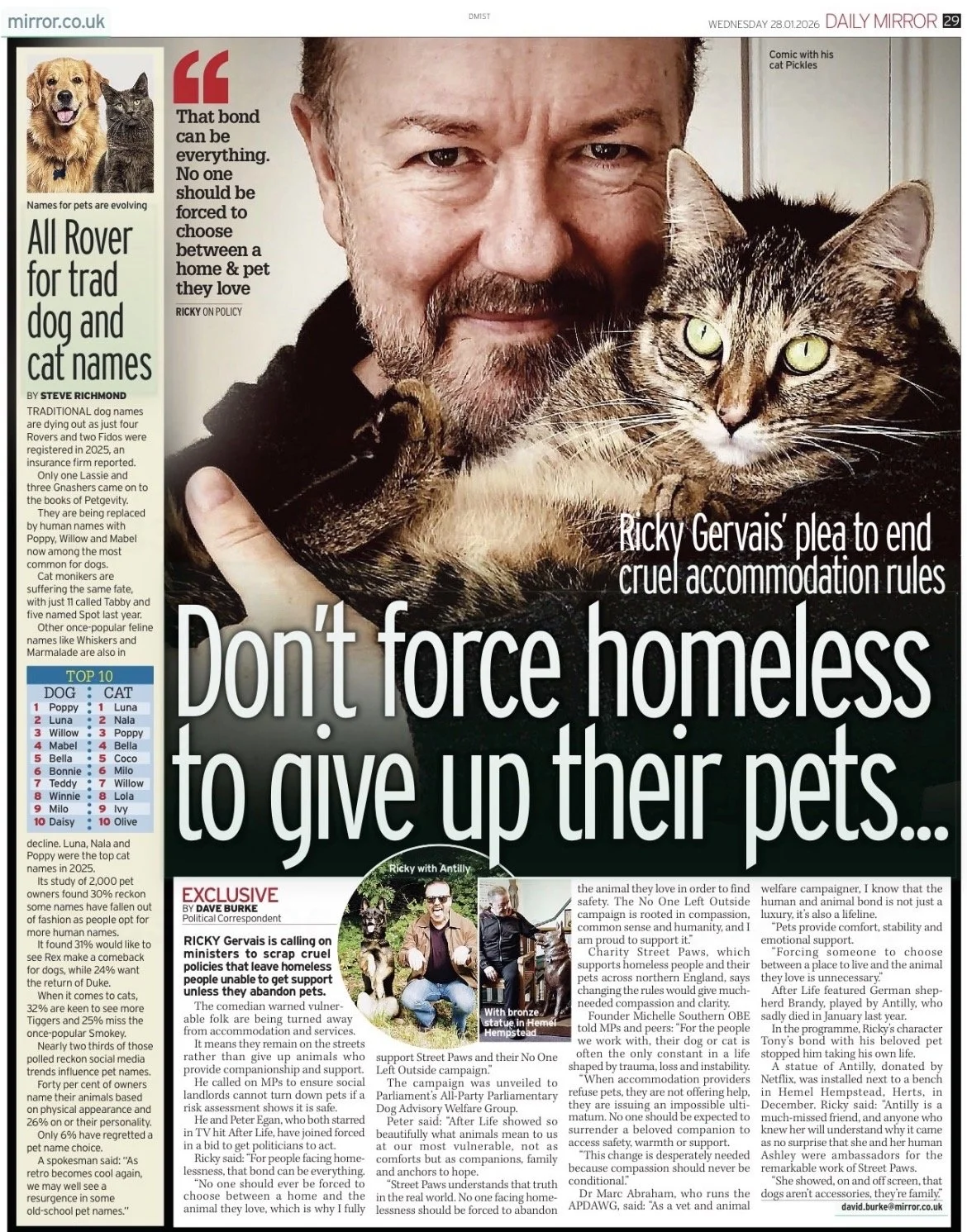
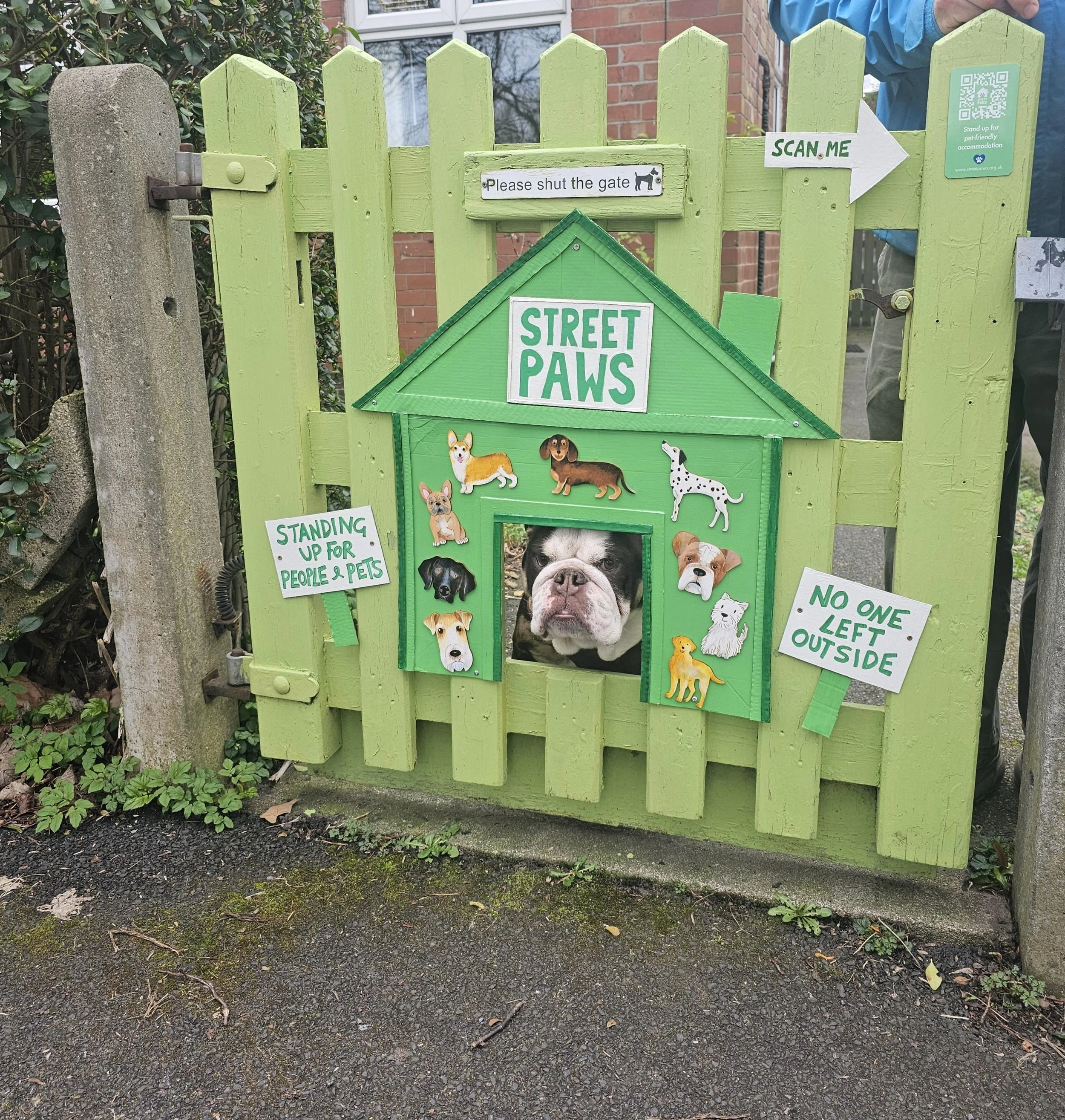
At Street Paws, we work in the space where homelessness services and animal welfare meet. We see firsthand how thoughtful, pet-inclusive decisions can improve outcomes for both people and their animals.
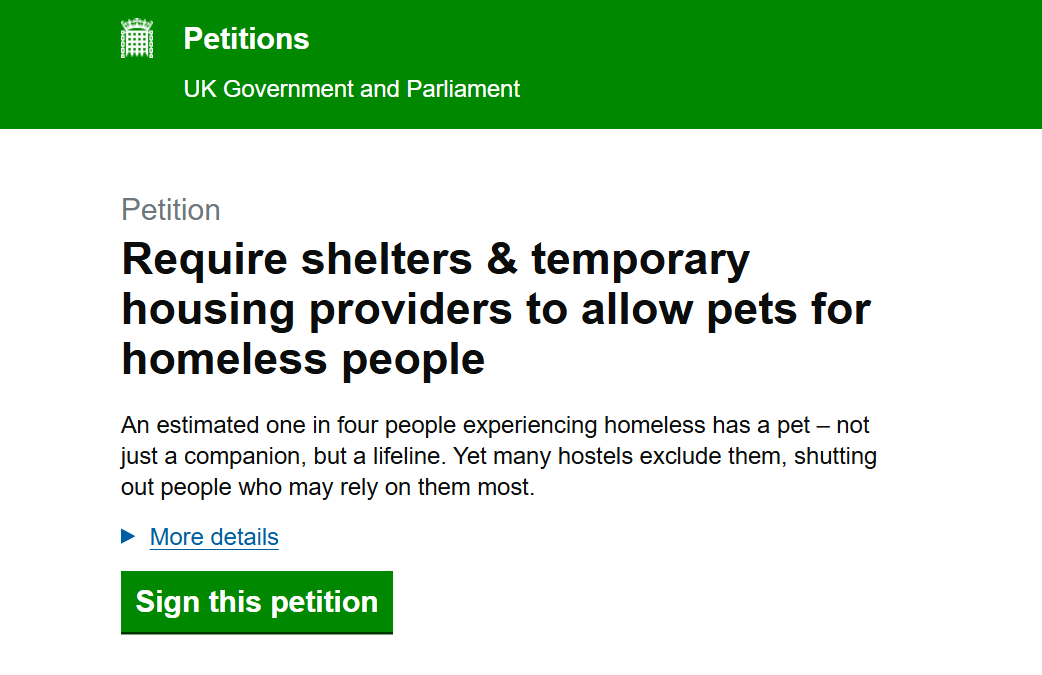
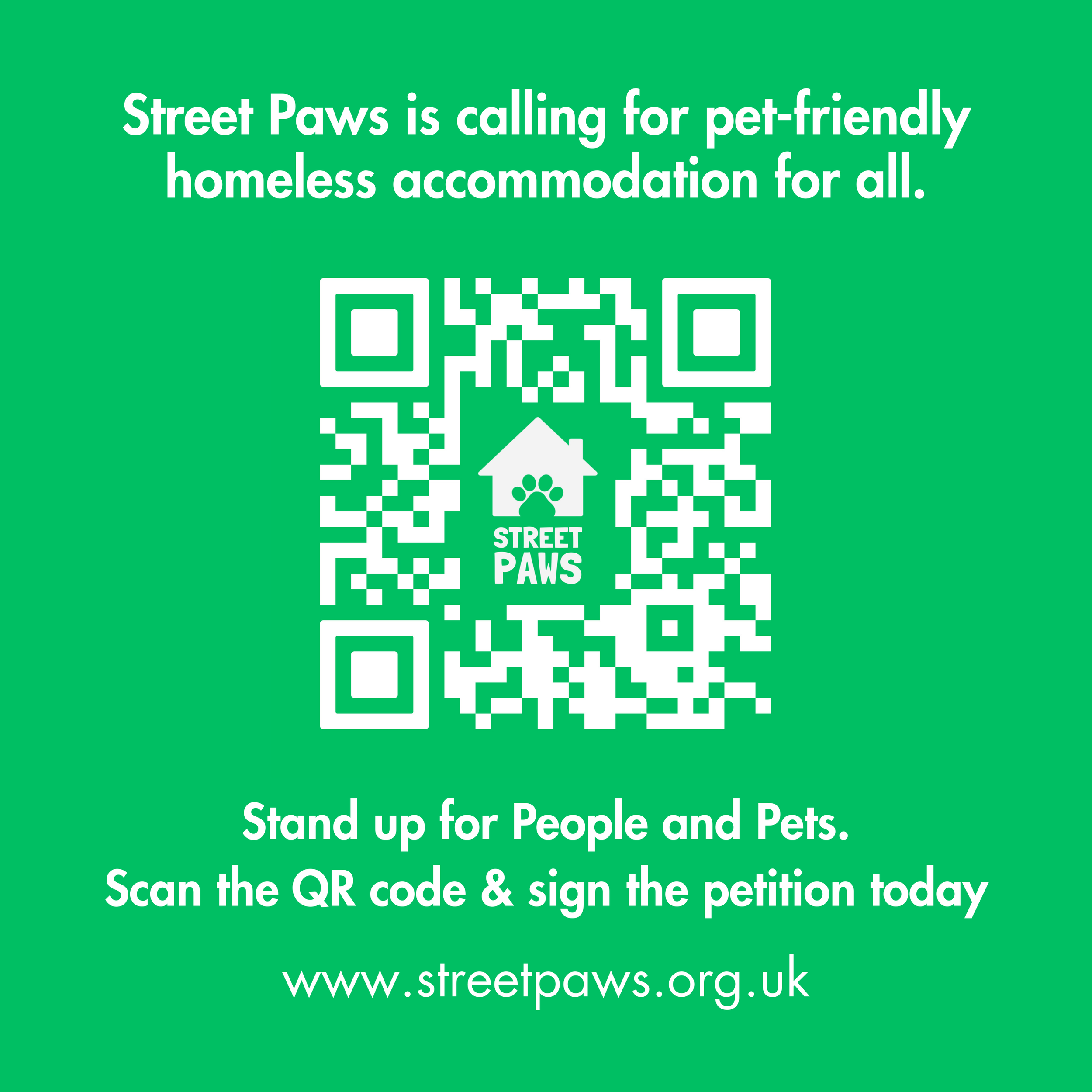
This is why we started a national petition calling for pet-inclusive housing to be properly recognised within homelessness and housing policy. It’s part of a wider conversation about how systems can better reflect real life.
If this is an issue that resonates with you, you can read more about the campaign and add your voice: https://petition.parliament.uk/petitions/753095
Because sometimes change begins with reconsidering a single line of policy.
And who it leaves outside.